


Pilgrimage often sounds like something that belongs somewhere else.
The Camino de Santiago.
The Holy Land.
Ancient cathedrals.
Places that require passports, weeks away from work, or resources many of us simply don’t have.
But what if pilgrimage begins much closer to home?
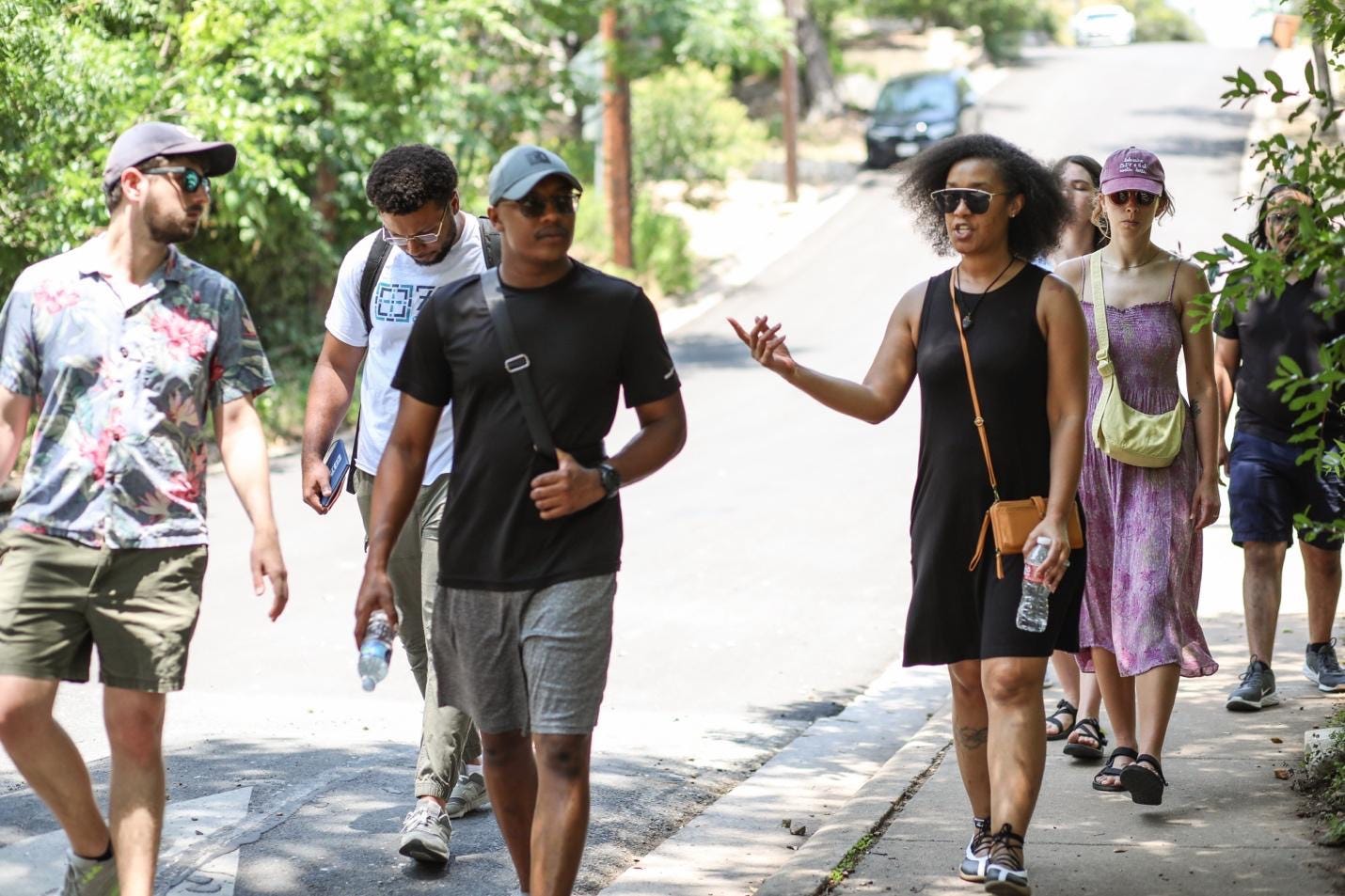
When the 787 Collective began exploring pilgrimage as a Christian practice, we weren’t asking how to help young adults travel farther. We were asking a different question:
What does it look like to create pilgrimage where you already are?
Young adults often live in a constant state of transition—moving to new cities, changing jobs, beginning new seasons of life. We wondered what it would look like if pilgrimage became a practice they could carry with them wherever they lived.
Not just a spiritual practice. A Christian practice, shaped by community and by place.
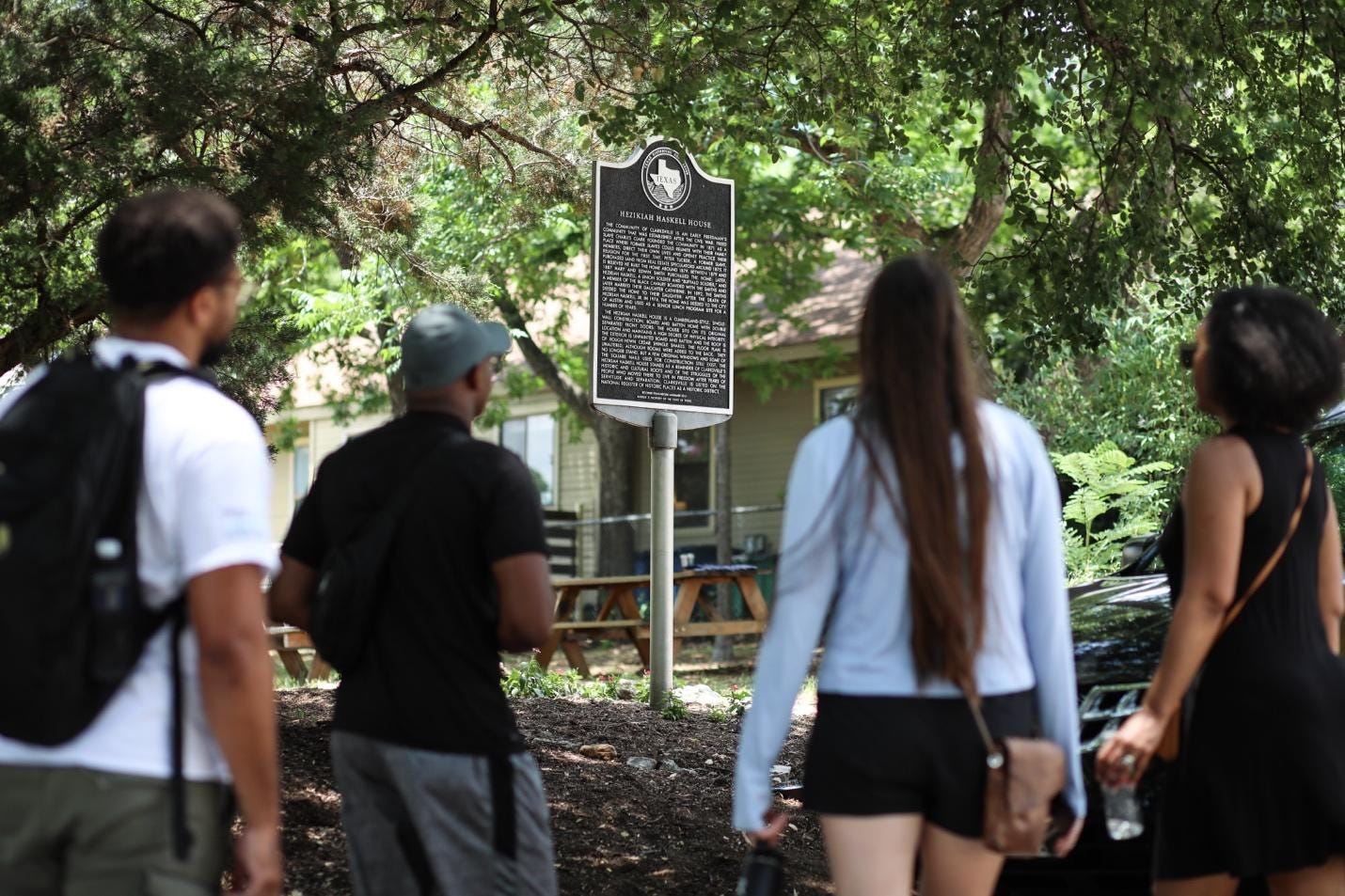
So we walked.
Not through a famous holy site.
Through a neighborhood in Austin.
As we walked, we stopped to notice stories that many of us—including lifelong Austinites—had never encountered. We learned about a Freedmen’s community, the history of segregation, and the ways neighborhoods have been shaped by decisions that continue to affect lives today. Walking slowly gave us space to see our city differently.
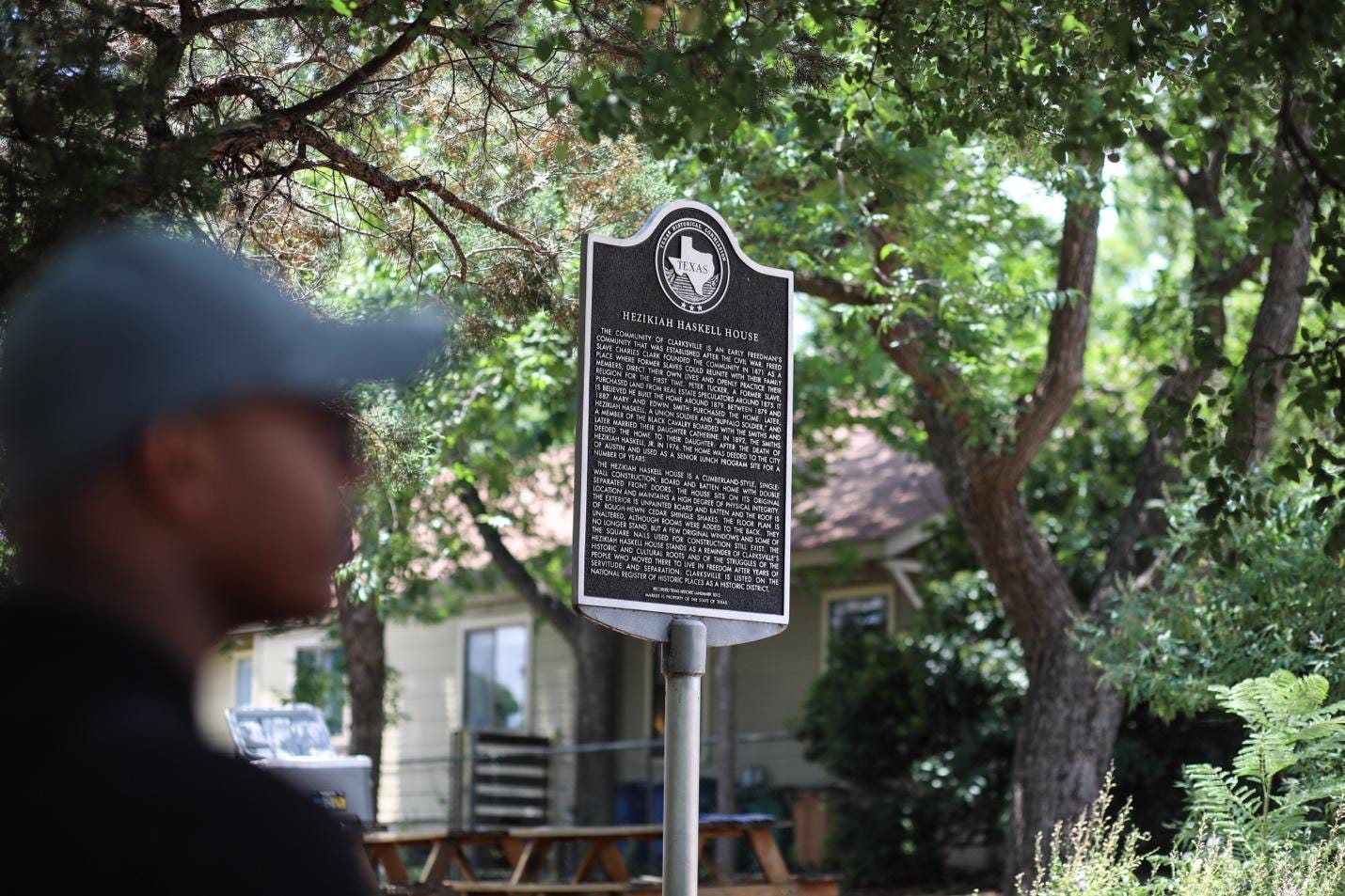
Pilgrimage changes the way we pay attention.
Instead of rushing from one destination to the next, we begin asking different questions.
What do I notice here?
What’s missing here?
What surprises me?
What makes me uncomfortable?
These questions don’t simply help us learn about a place. They help us encounter it.
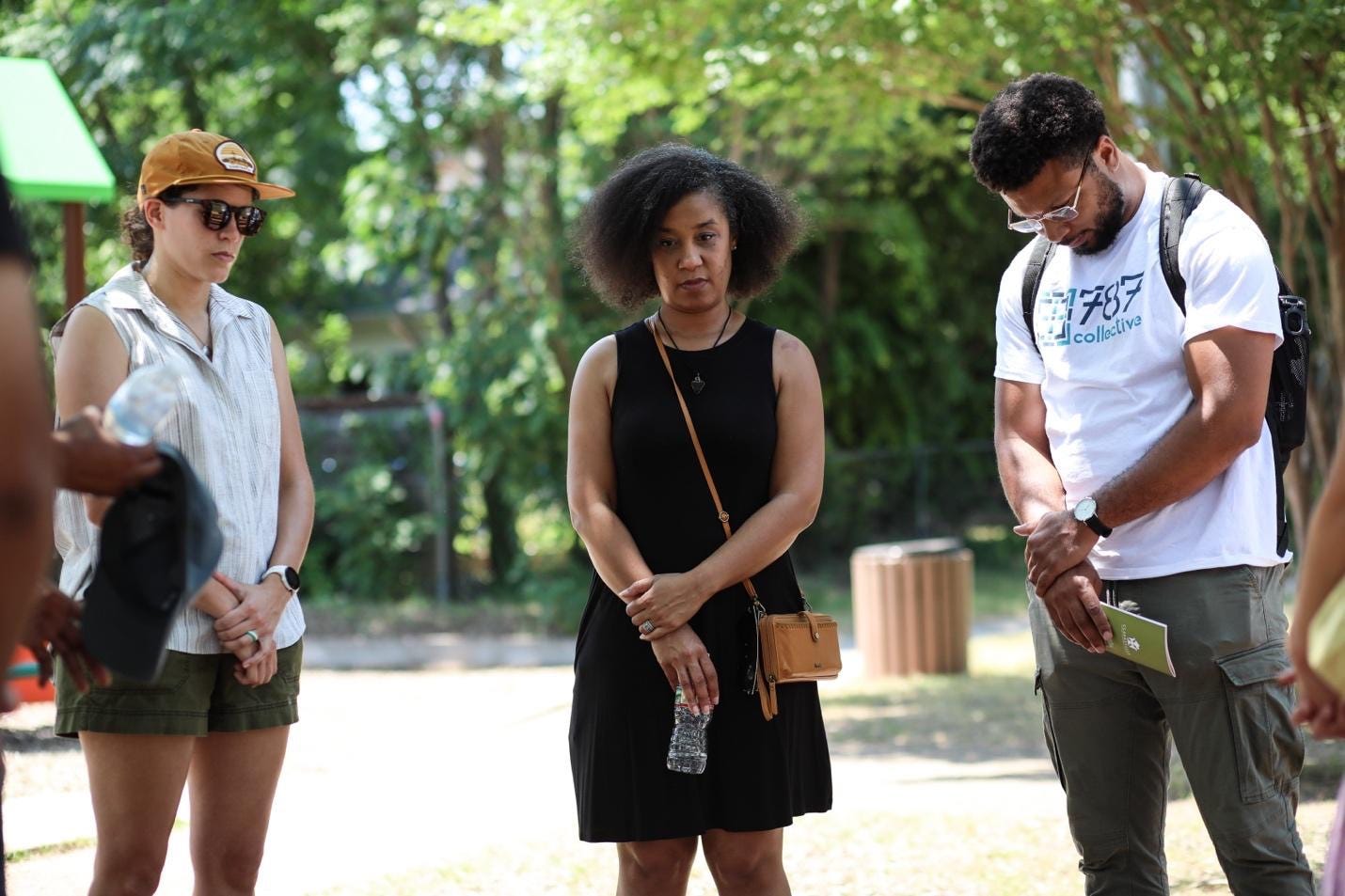
One of the gifts of pilgrimage is that it helps us hone our attention so we can become more intentional about the places we inhabit. In a culture where we experience most of our communities through a windshield, simply walking invites us to slow down enough to see what has been there all along.
As Christians, we don’t walk alone. Pilgrimage has always been communal. Even when undertaken individually, pilgrims encounter fellow travelers, receive hospitality, and discover God in unexpected people and surprising places. We are joined by generations of ancestors who have journeyed before us. The journey itself becomes part of our formation.
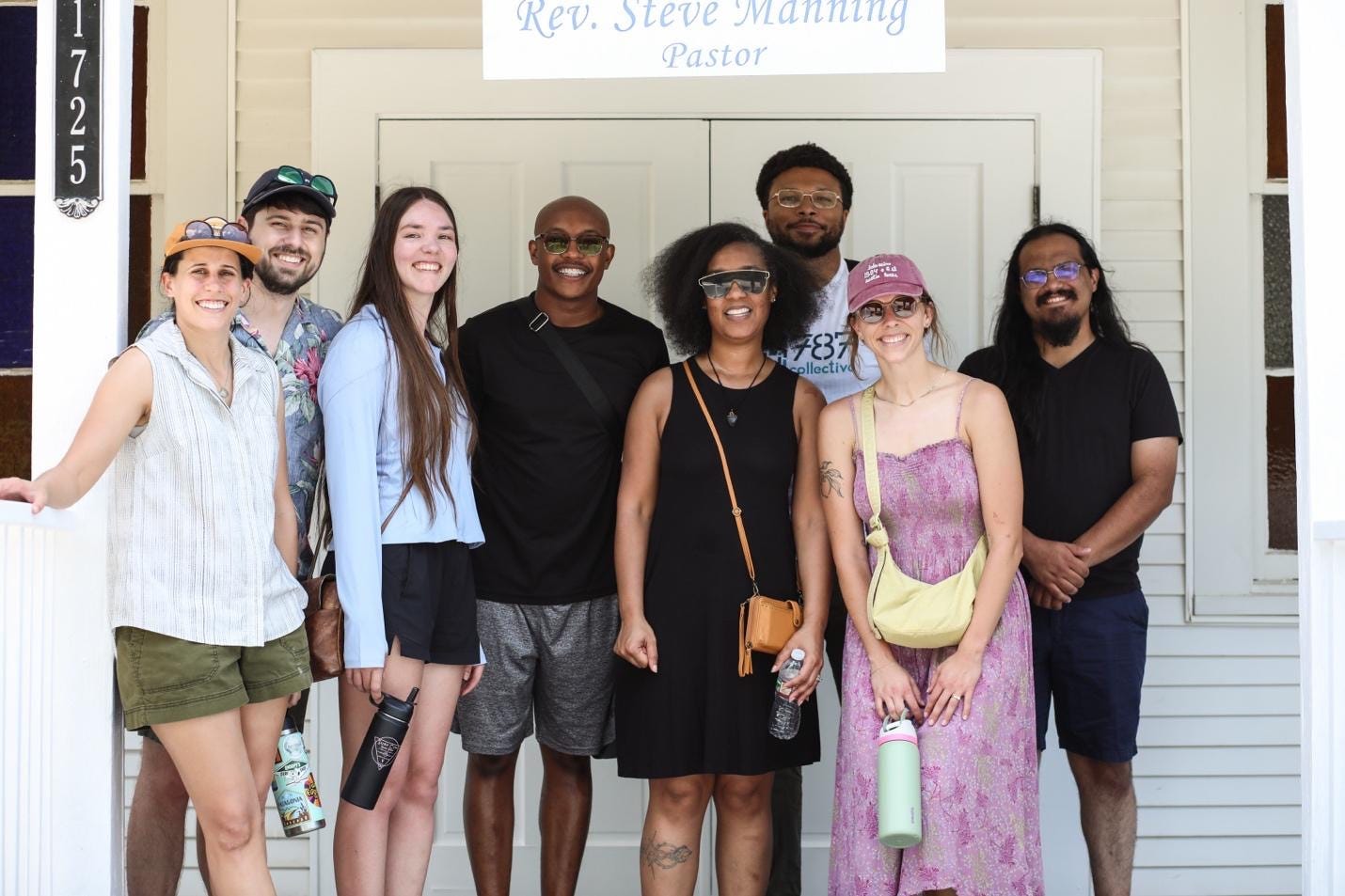
One of our hopes is to help churches create pilgrimages like this in their own communities—not replicas of ours, but practices rooted in their own neighborhoods, histories, and people. Because the invitation of pilgrimage isn’t simply to go somewhere else.
It’s to learn to see where you already are. Every place has a story to tell because all space is sacred. You don’t have to travel across the world to begin. Sometimes all it takes is walking out your front door—with intention—and trusting that God is already waiting along the way.